


Nebraska Cornhuskers Football at Memorial Stadium - NE
The Nebraska Cornhuskers Football team, affectionately known as the Huskers, has a storied history that dates back to 1890. As one of the most successful programs in college football, the Cornhuskers have claimed five national championships and produced numerous NFL players. Their commitment to excellence is evident in their passionate fan base and rich traditions.
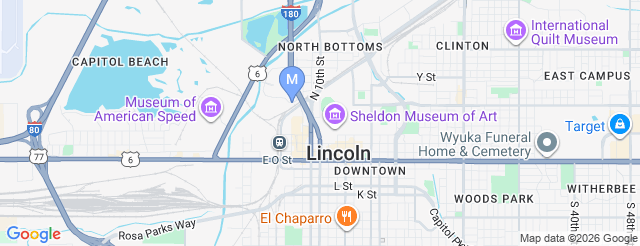
Memorial Stadium, located in Lincoln, Nebraska, has been the home of the Huskers since its opening in 1923. This iconic venue has undergone several renovations and expansions over the years, currently boasting a seating capacity of over 85,000. The stadium is renowned for its unique design and vibrant atmosphere, making it one of the most intimidating places for opposing teams to play. The sea of red that fills the stands on game days is a testament to the unwavering support from fans.
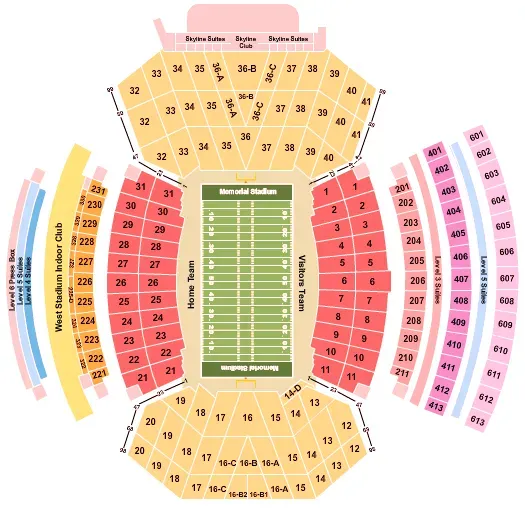
Seating arrangements at Memorial Stadium are designed to provide an excellent view of the action on the field. The stadium features various sections, including lower and upper levels, as well as premium seating options such as club seats and suites. Fans can choose from a range of seating categories based on their preferences and budget. The best seats are typically located near the 50-yard line, offering an unparalleled view of the game.
As the football season unfolds, fans can expect a thrilling lineup of events. The Huskers play home games primarily during the fall months, with matchups against traditional rivals such as the Oklahoma Sooners and Iowa Hawkeyes. These games are not just about football; they are community events that bring together fans from all walks of life to celebrate their love for the game.
For those planning to attend a game at Memorial Stadium, parking can be a concern due to high attendance. It is advisable to arrive early to secure a spot in one of the designated parking areas surrounding the stadium. Additionally, fans should consider carpooling or using public transportation to ease congestion on game days.
Frequently Asked Questions
- What is the history of Nebraska Cornhuskers Football?
The Nebraska Cornhuskers Football team was established in 1890 and has since become one of college football's most successful programs with five national championships. - When did Memorial Stadium open?
Memorial Stadium opened its doors in 1923 and has been home to the Huskers ever since. - What is the seating capacity of Memorial Stadium?
The stadium currently seats over 85,000 fans, making it one of the largest college football venues in the country. - What are some key rivalries for Nebraska Cornhuskers Football?
The Huskers have notable rivalries with teams like Oklahoma and Iowa, which draw significant attention each season. - How can I choose the best seat for a game?
For an optimal viewing experience, consider seats near the 50-yard line or in premium sections for enhanced amenities. - What are parking options at Memorial Stadium?
There are several designated parking areas around the stadium; arriving early is recommended to secure a spot. - What is the best time to arrive for a game?
It is advisable to arrive at least two hours before kickoff to navigate traffic and find parking comfortably. - Are there any seasonal events besides regular games?
In addition to regular-season games, Memorial Stadium hosts special events such as spring games and fan days.